Organizer
Closest to the loss
A family member or close friend, often still standing closest to it. What they fear is an output that comes back hollow or generic, technology reducing someone real to something soulless.
Work / Remember
A digital memorial that gathers scattered memories of one person into a single place to remember them.
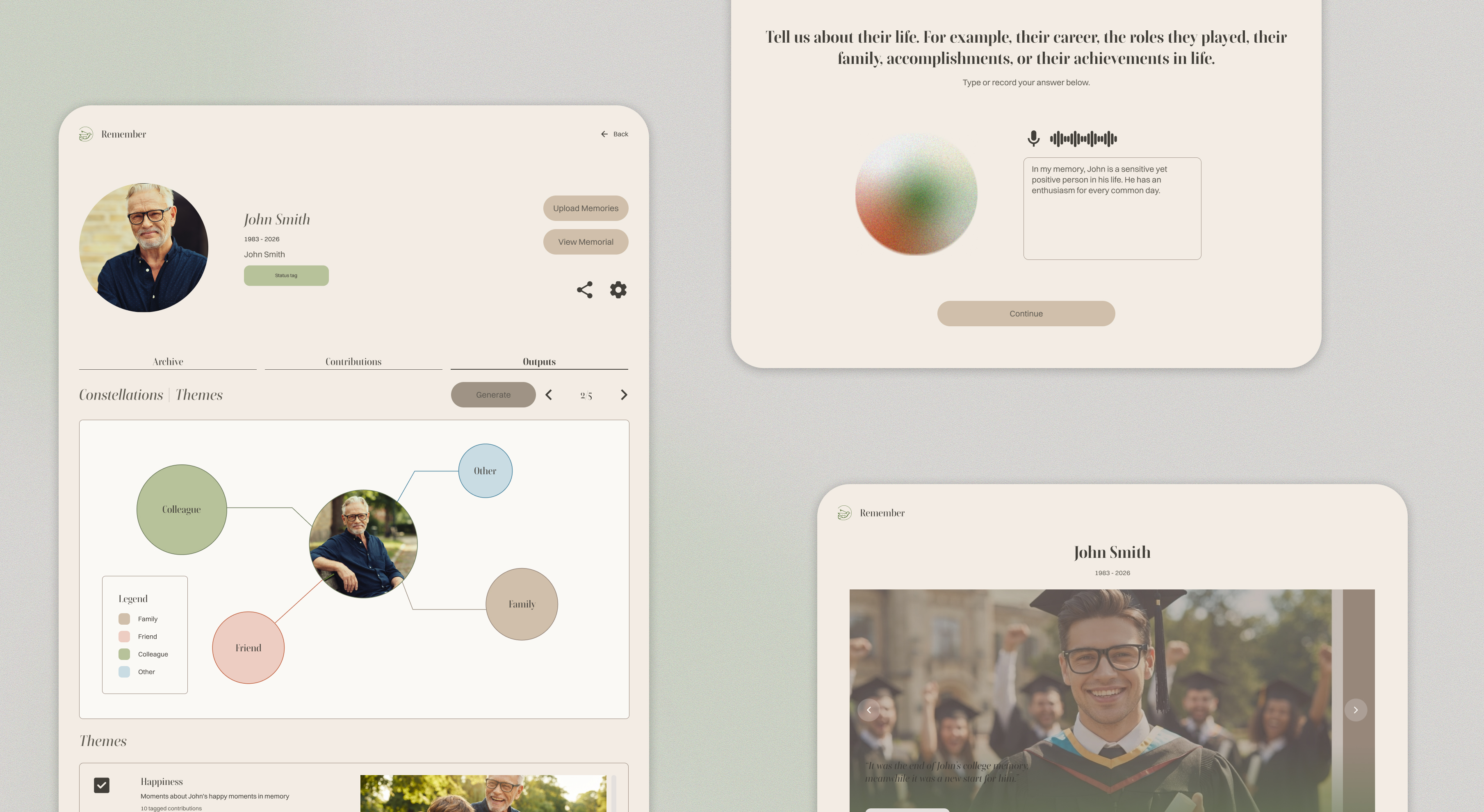
Remember turns memories held by many people into one memorial for the person who has died. One person — the organizer — creates the memorial and invites family and friends to contribute; each of them adds their own stories, voice recordings, and photos.
AI synthesizes what comes in into a single memorial that anyone the organizer chooses can visit, moving between a slideshow, a constellation of themes and relationships, recorded voices, and a photo archive. The organizer manages it all from one dashboard, from the first invitation to the finished memorial.
When someone dies, no one holds the whole picture. A friend remembers a conversation. A cousin has the only photo from that summer. A sibling saved a voicemail and can't bring themselves to delete it. Each piece is real. Each one is partial.
The tools families reach for aren't built to hold any of this. Group chats bury a story under the next message. Shared drives turn a life into a folder of filenames. Social media flattens condolences and memories into the same scroll, then moves on.
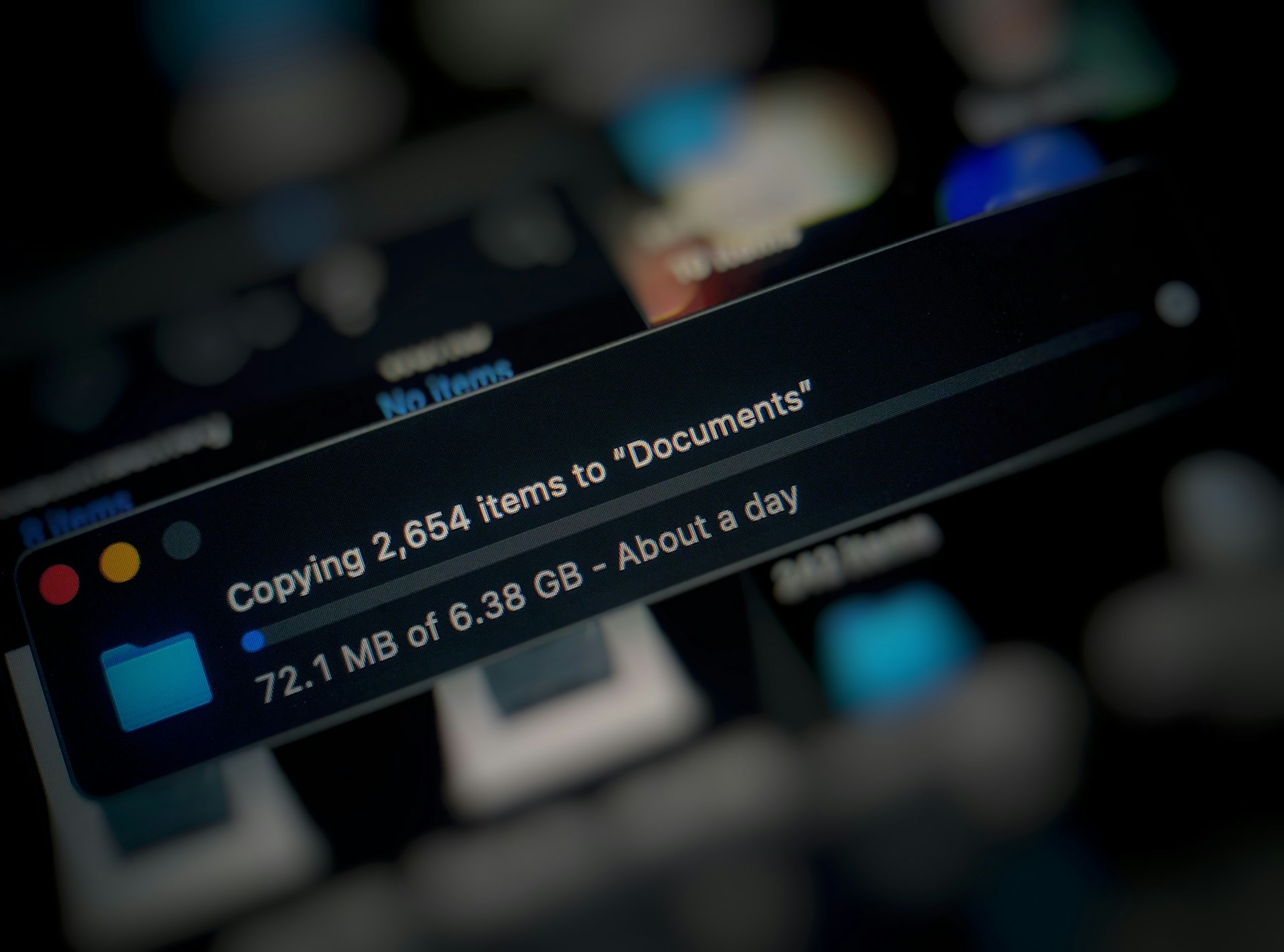
Photo libraries, shared docs, and memorial pages store what people upload, but stop there. Scrapbooks and personal albums offer only one person's view. Neither turns scattered fragments into a coherent picture of who someone was.
Remember sits where nothing else does: many contributors, one synthesized portrait. Each person adds the fragment only they carry, and the AI weaves them into a rounded sense of the person, doing the organizing no individual realistically could.
We ran a handful of voice-of-customer interviews. What did most of the work was defining, precisely, who the product had to serve at once. The organizer needs power without being crushed by process. The contributor needs an opening low-friction enough to actually use. The viewer needs to feel something before they need to understand anything. This case follows two of those three threads: the organizer's dashboard, and what a viewer meets in the output layer.
A family member or close friend, often still standing closest to it. What they fear is an output that comes back hollow or generic, technology reducing someone real to something soulless.
Family, friends, colleagues, community. They could be any age, any background, brought in by a link. They want to feel like what they share actually matters and feel connected with the other contributors.
Anyone the organizer chooses to share the finished memorial with. They came to feel connected to who the person was. The bar is an experience that feels worthy of the person being honored.
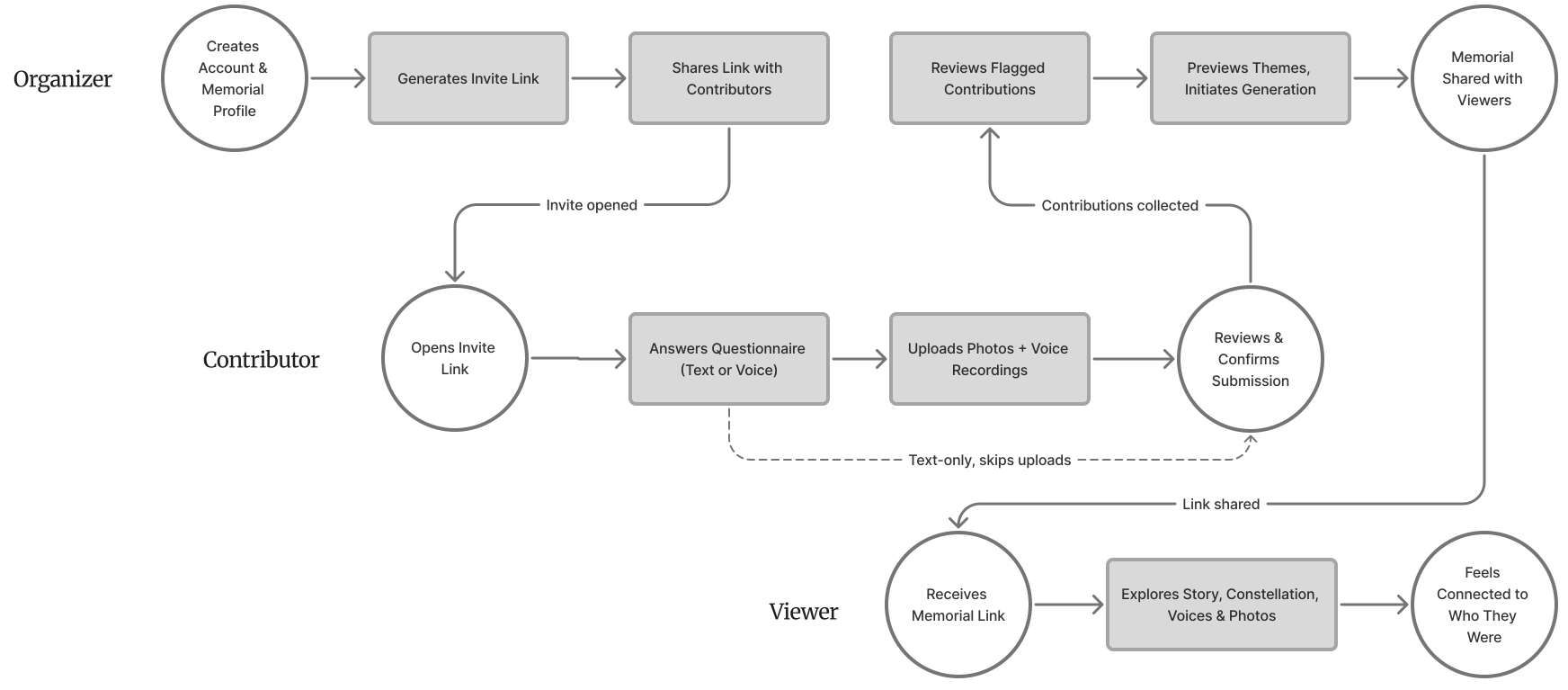
This chart shows how the organizer's, contributor's, and viewer's actions stay three separate flows that only meet at a few key moments across the product. The work ahead follows the organizer's and viewer's paths specifically.
We started with a simple goal: make it easy for people to share memories. Then we imagined fifty responses coming in, each with a different voice and length. How would we bring them together into something a family could read?
AI could help organize the stories. We still needed to understand what families would want to read and keep. We looked at grief forums, obituaries, eulogies, and bereavement studies, and found three themes.
A small detail can make a memory stick, like someone keeping a receipt from a return for decades. It gives us something concrete to remember them by.
Hearing a story for the first time can show us a side of someone we never knew. For families, these stories can be especially meaningful.
People often wished they'd asked about ordinary things: a favorite soda, or who taught them to drive. They had thought there would be more time to ask.
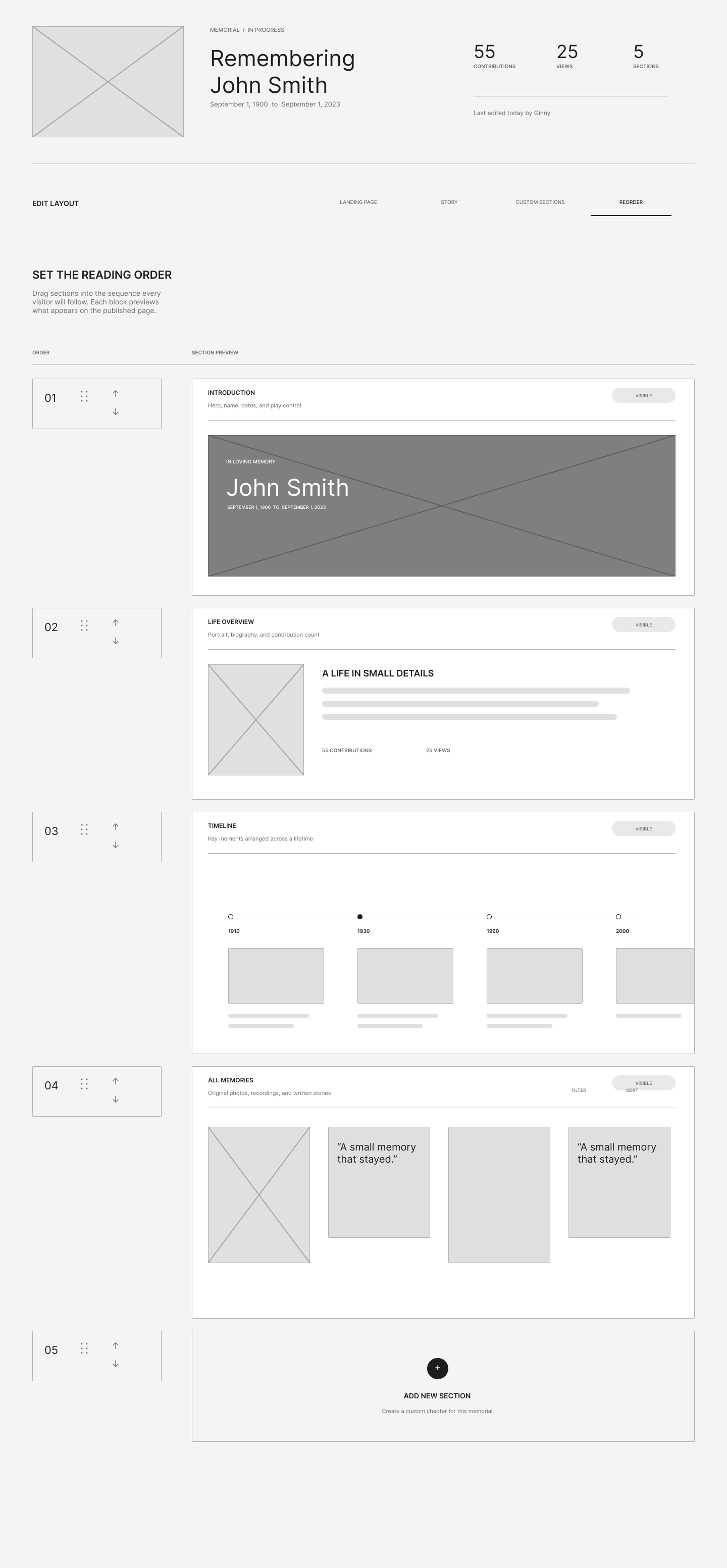
This was the question I owned, and it took more rounds than any other part of the project. The first real attempt put everything in one place: a single page the organizer arranged in order, top to bottom, with a hero, a timeline, and every memory laid out for a visitor to scroll straight through from start to finish.
It didn't hold up. Grief pulls people toward different things. Someone wants to sit with one voice recording. Someone else wants to see every photo. Someone else just wants the story told to them once, start to end. A single fixed order made that choice for all of them.
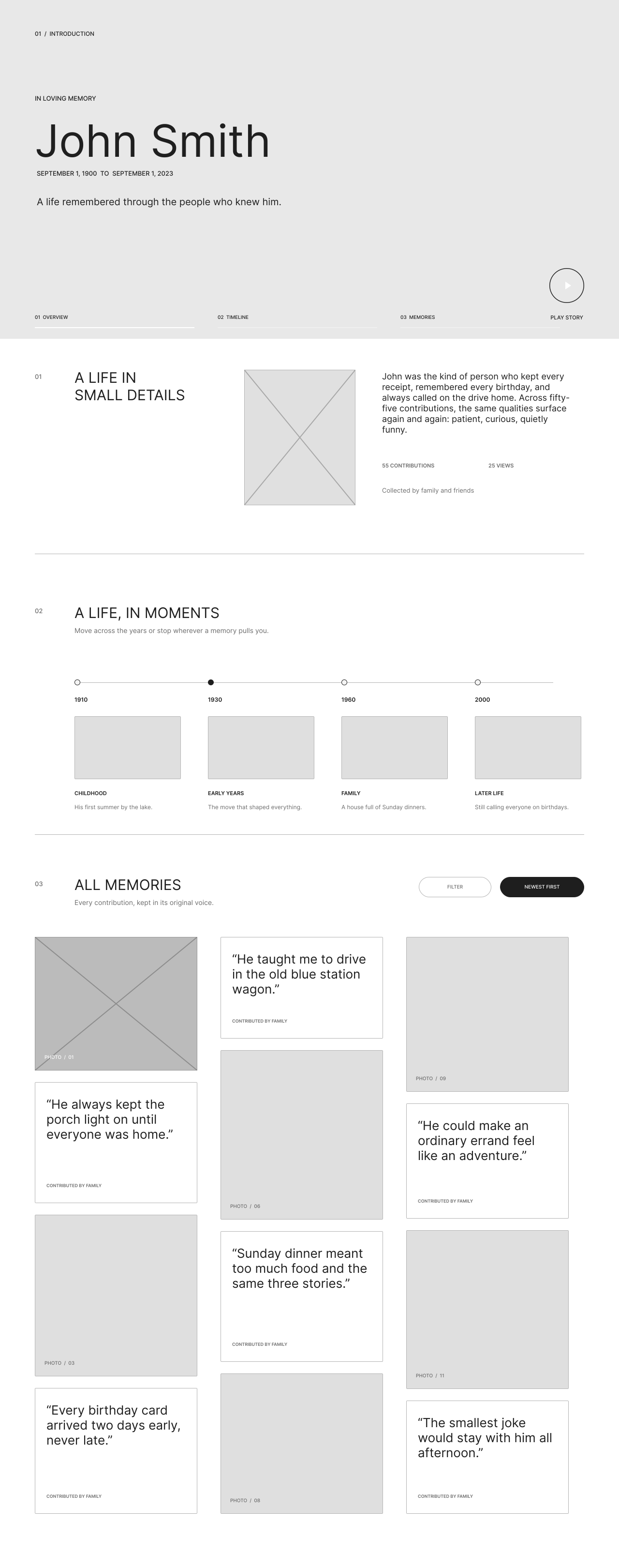
The single linear page was not the only idea we tried. Before landing on four views, we explored several different structures and developed four directions far enough to compare.
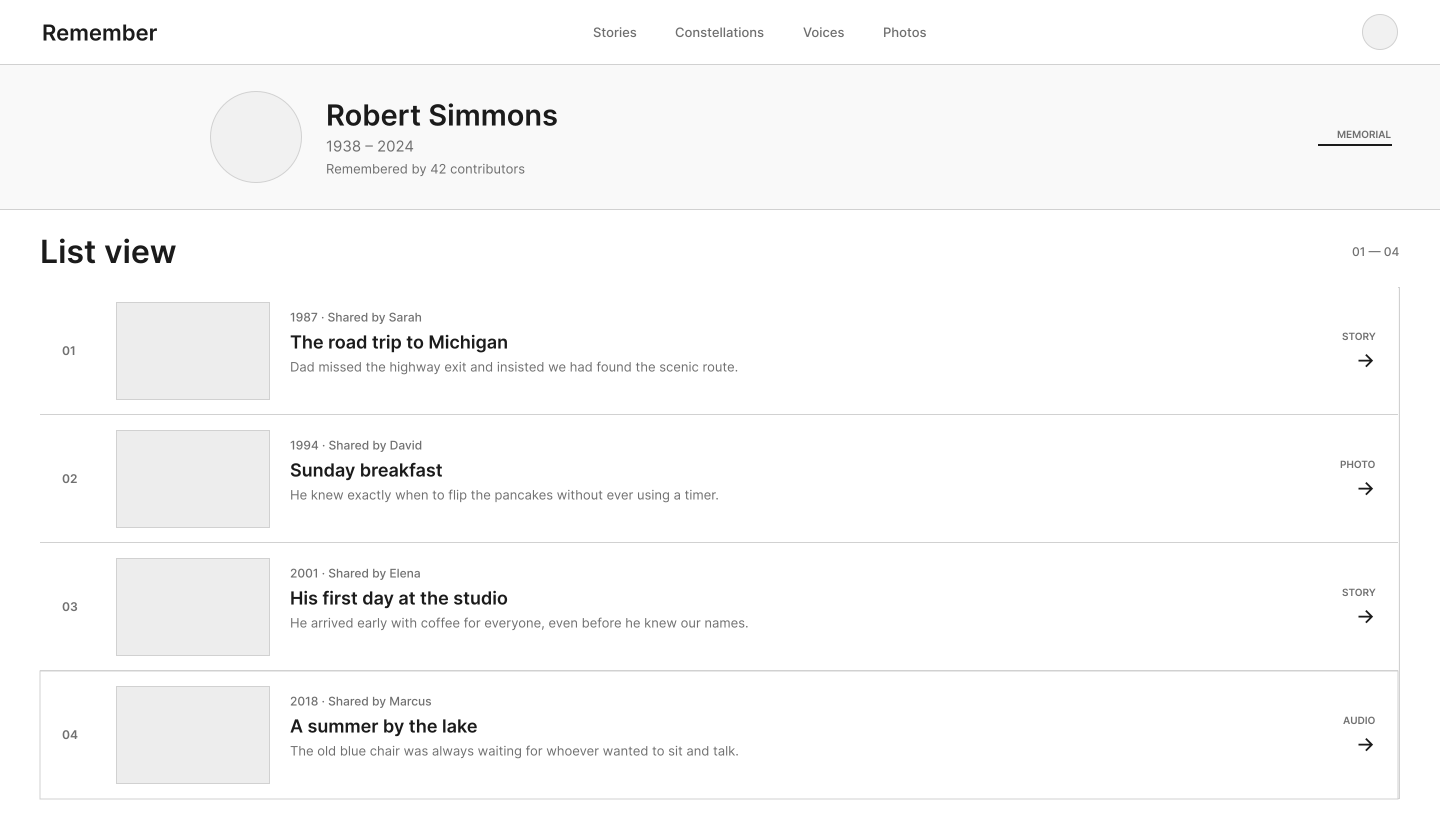
It preserves every submission exactly as it arrived, but it does not decide what matters. Fifty entries read like fifty entries, not like a picture of one person.
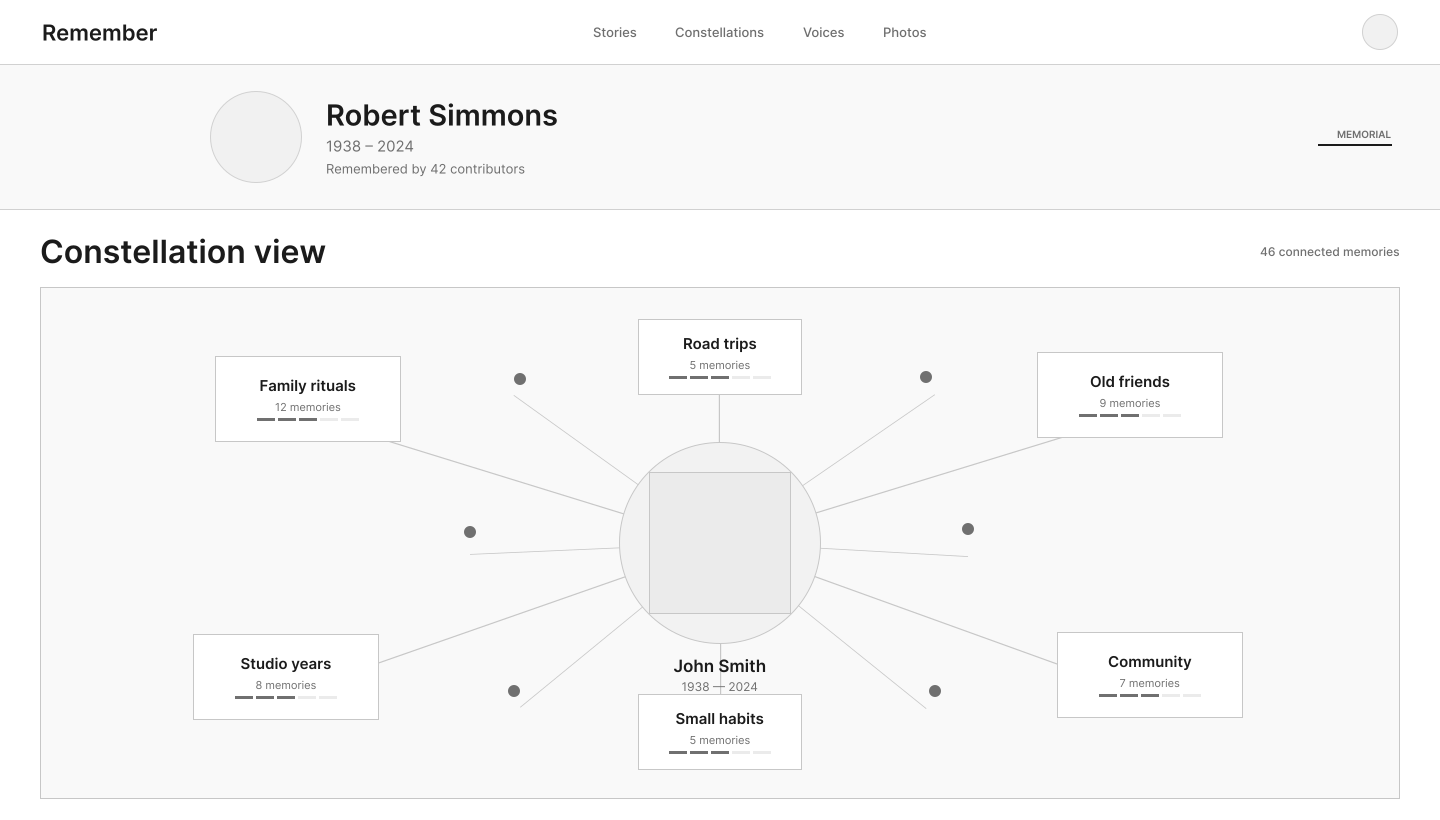
It lets people enter through a theme or relationship, then trace each synthesis back to the contributor quotes behind it. The connections stay visible without forcing a beginning or ending.
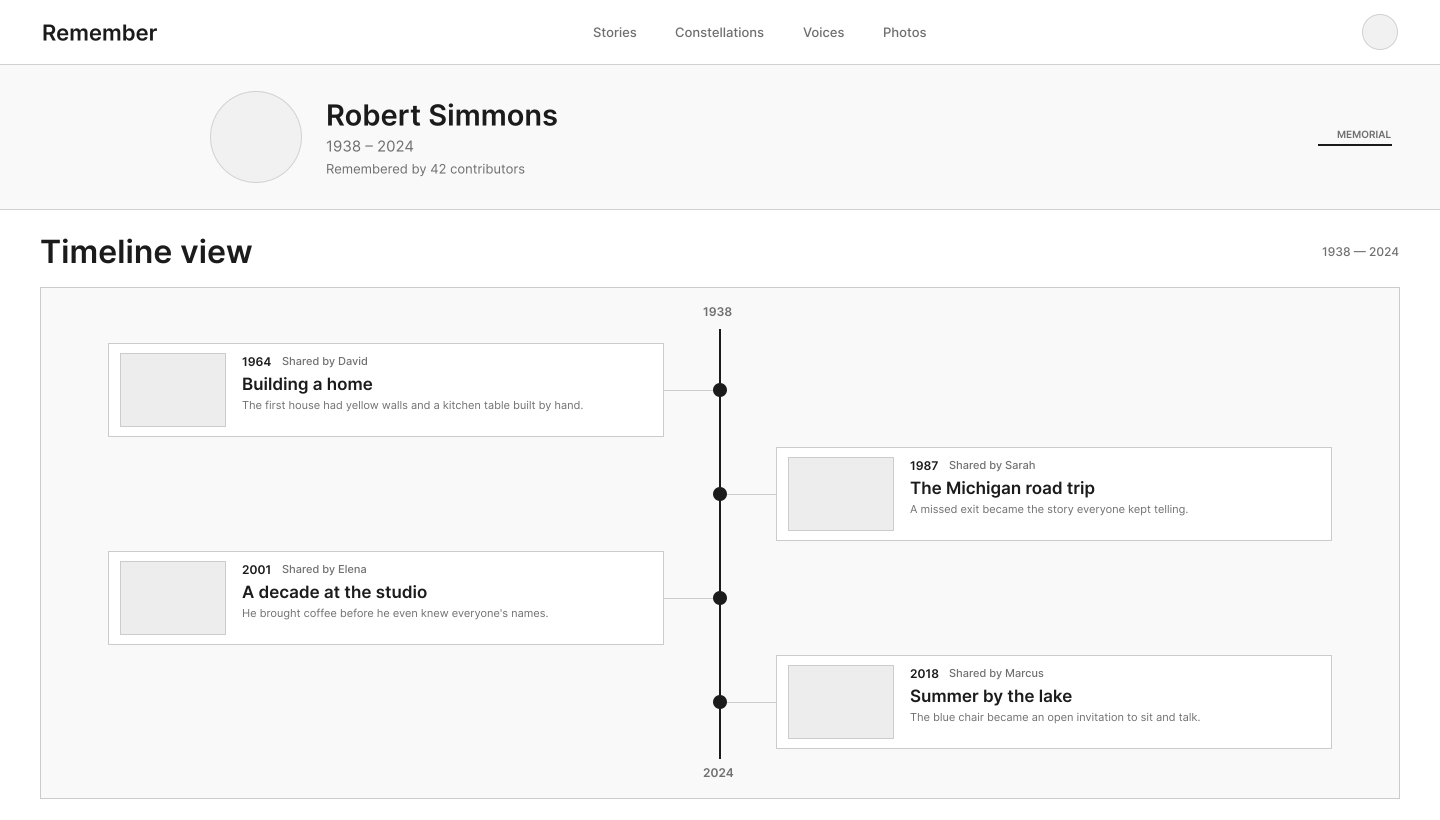
It puts a life in order, but grief does not move in order. People reach for a habit or a joke first, not the year it happened.
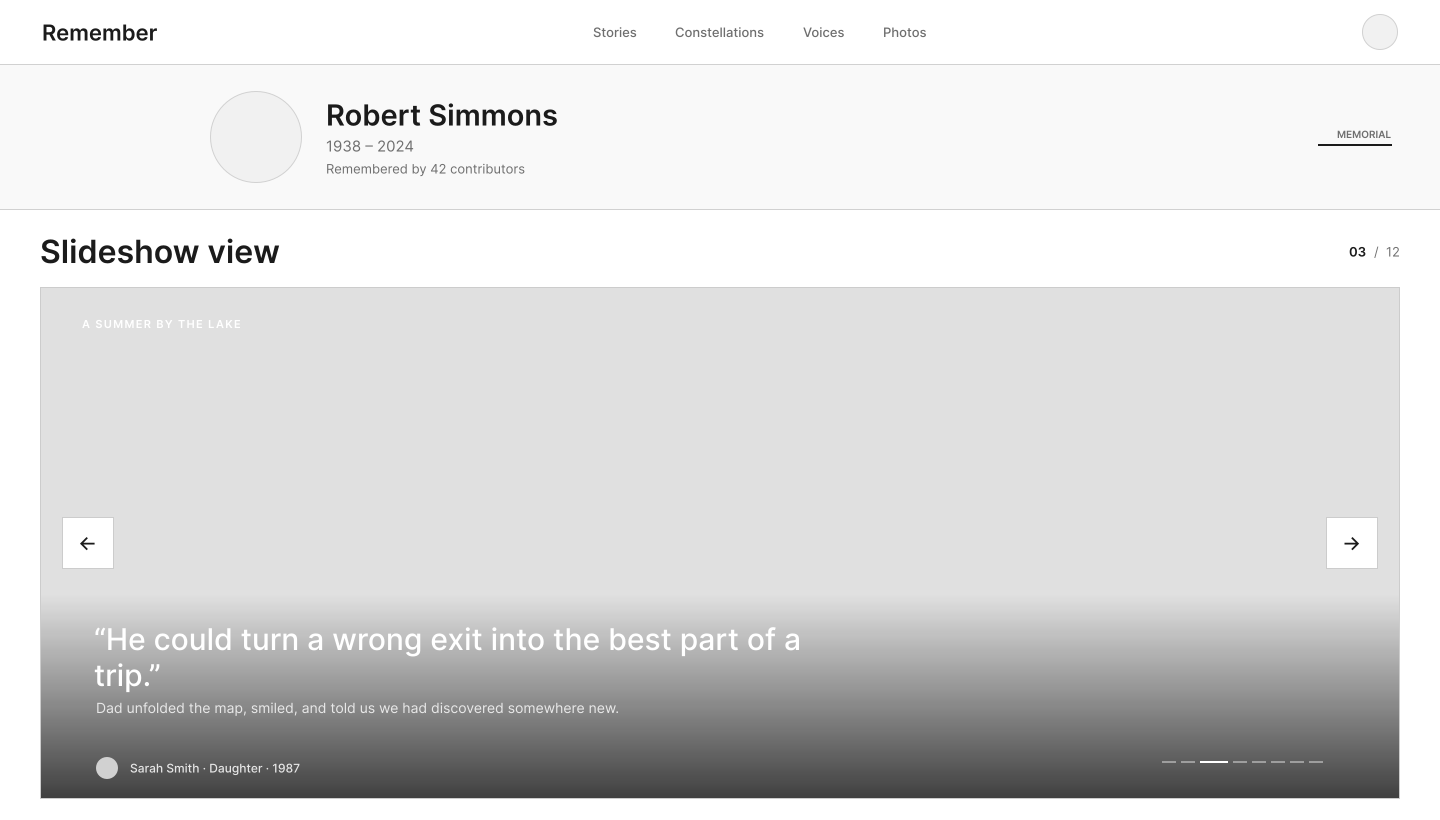
It guides the viewer through one memory at a time, pairing each image with the story it belongs to. The sequence offers a clear path while the other views remain available for open exploration.
Alongside the two views shaped more heavily by AI, we kept a direct path to everything people submitted. Voices and All Photos preserve the original recordings and images so viewers can explore the source material themselves. This gives families more control when synthesis feels too mediated and keeps the system from making every decision for them.
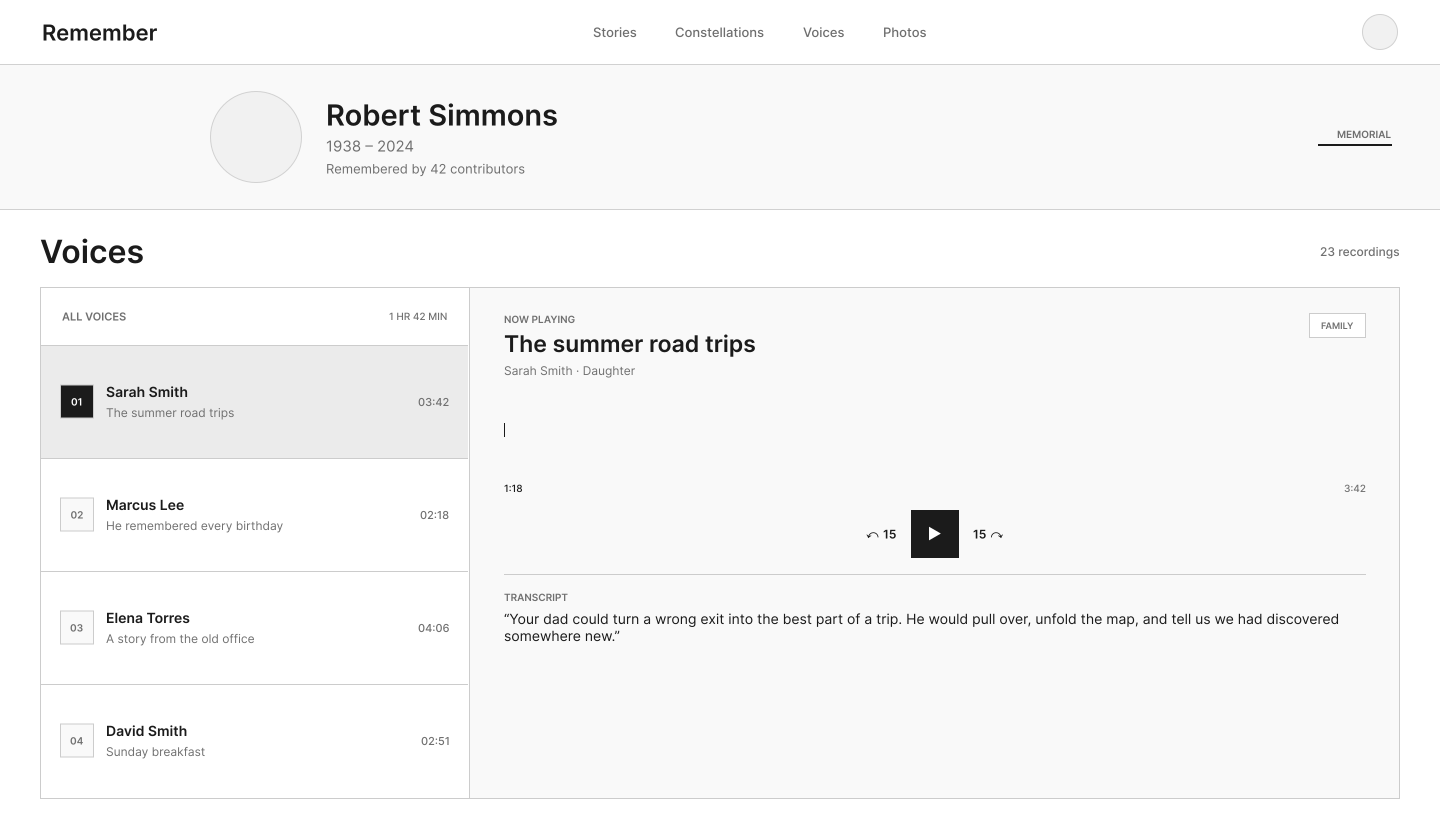
Every recording stays in the contributor's own voice, with a transcript underneath for anyone who wants to read. The original audio remains available without being reduced to text.
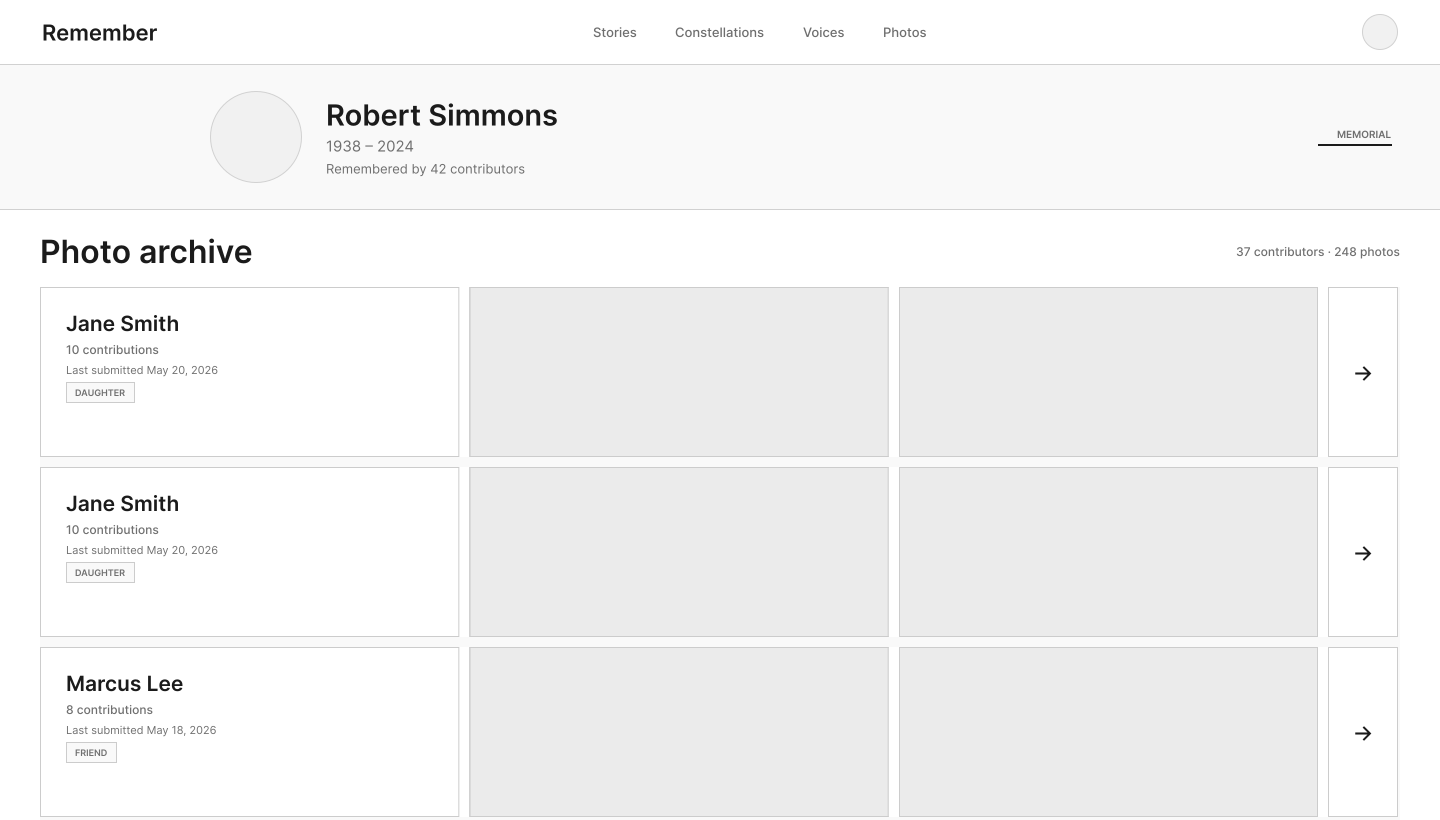
Every submitted photo stays available in its original form and is grouped by contributor. Viewers can see what each person brought to the memorial and browse the source material directly.
The organizer previews the AI-generated memorial in the dashboard exactly as it will appear to viewers. The same stories, constellations, voices, and photos carry into the published experience, while review and approval controls remain with the organizer.
Five finished pages — one for each of the four output-layer views, plus Constellation's two facets. Toggle between them below; each is shown at its full length, scrollable in place, not cropped to a hero shot.
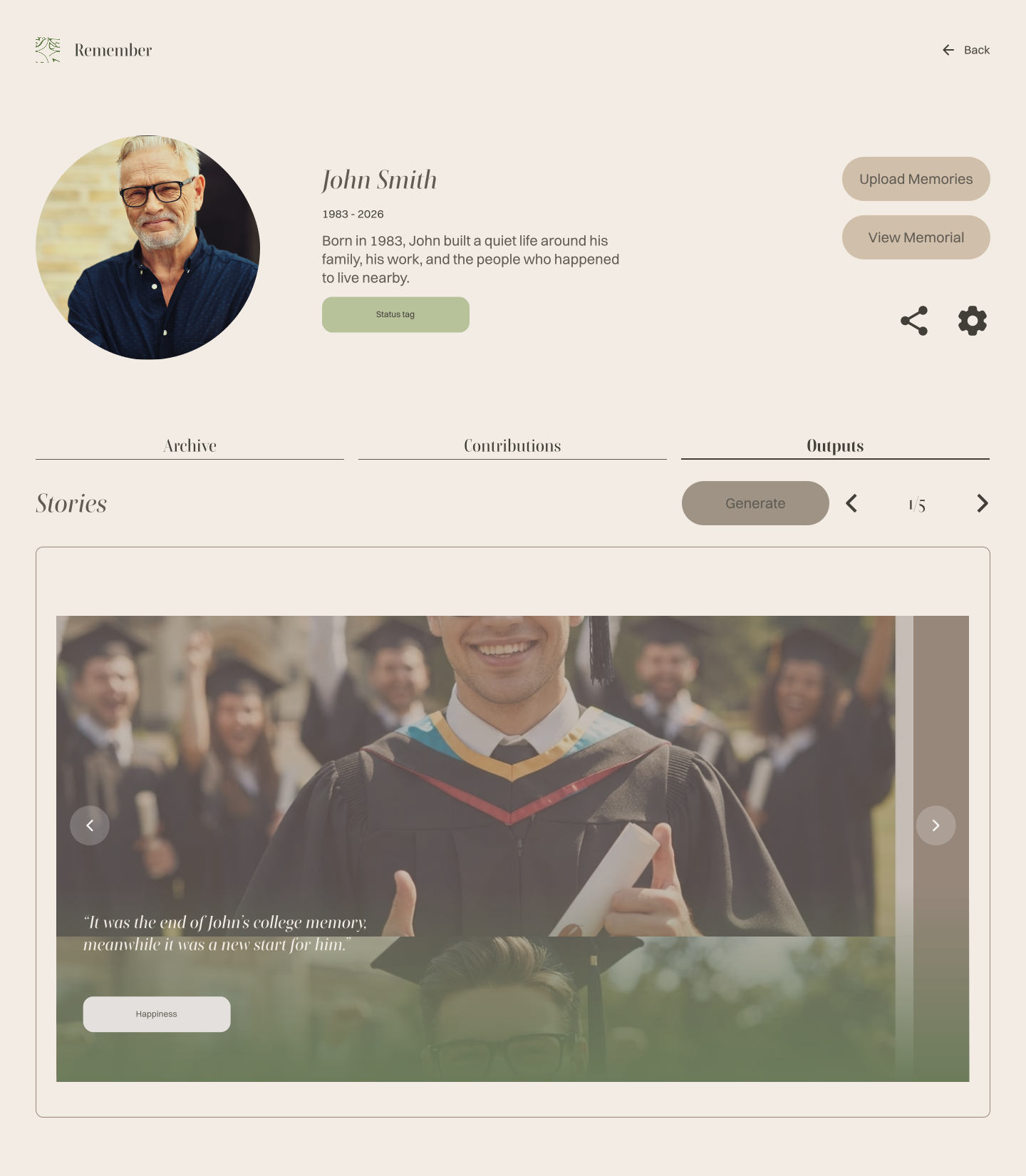
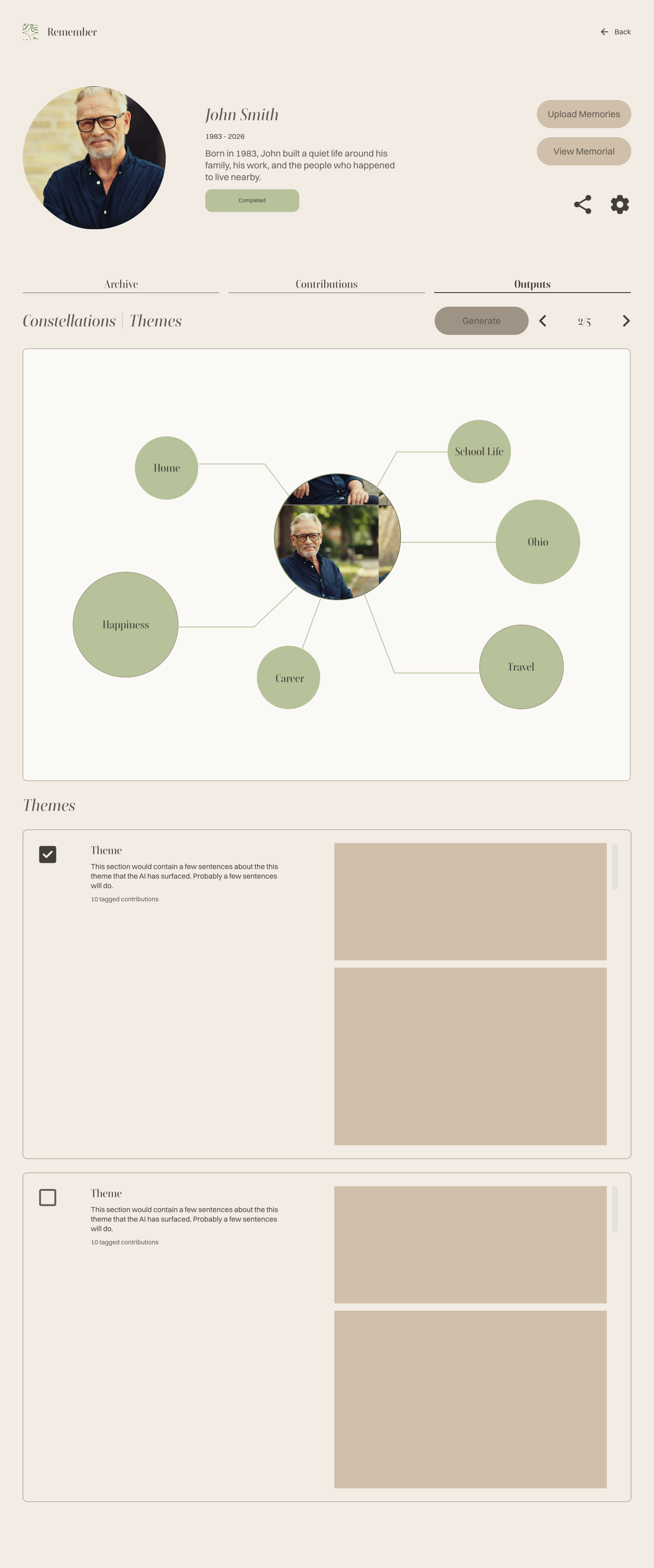
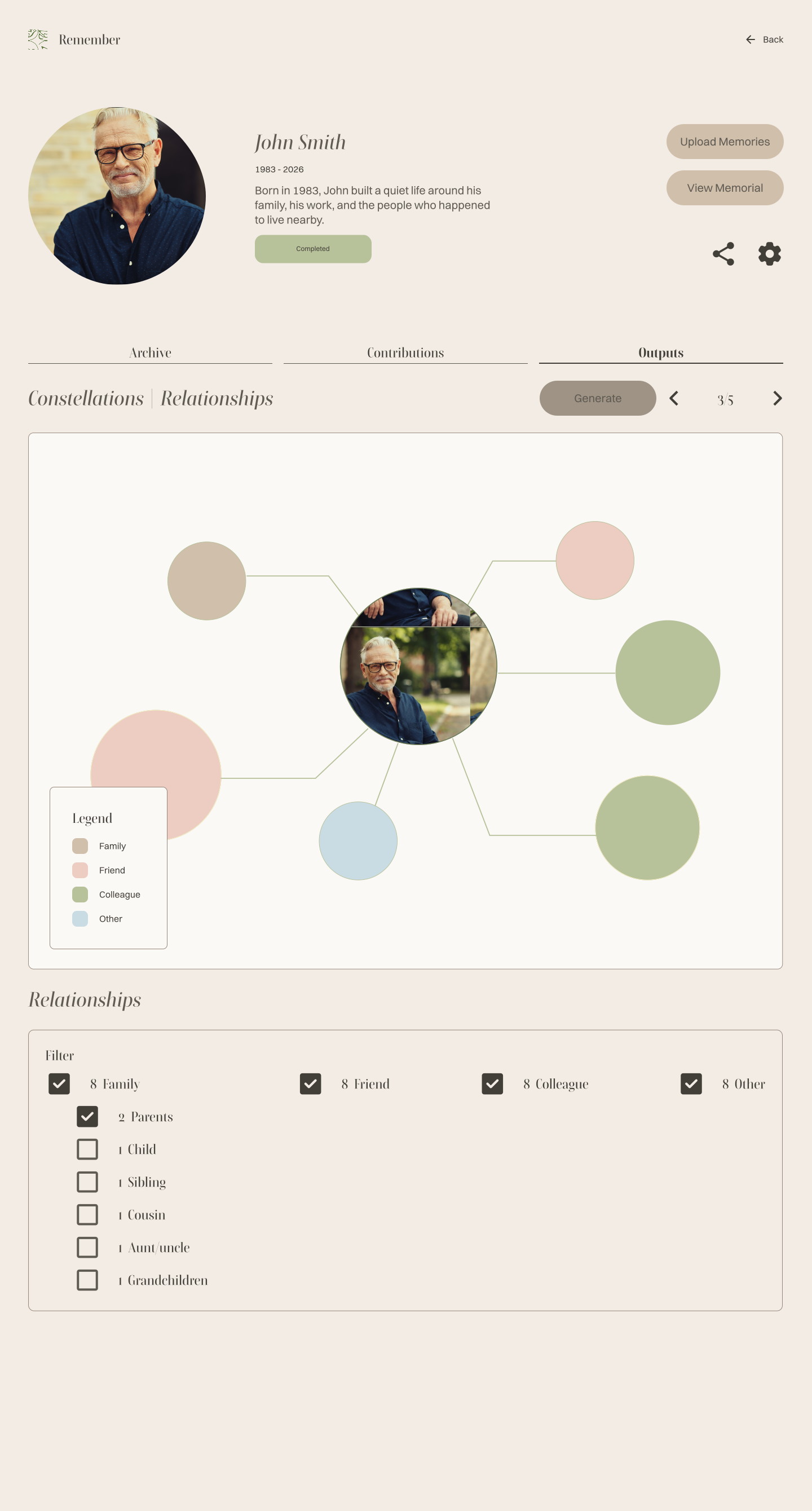
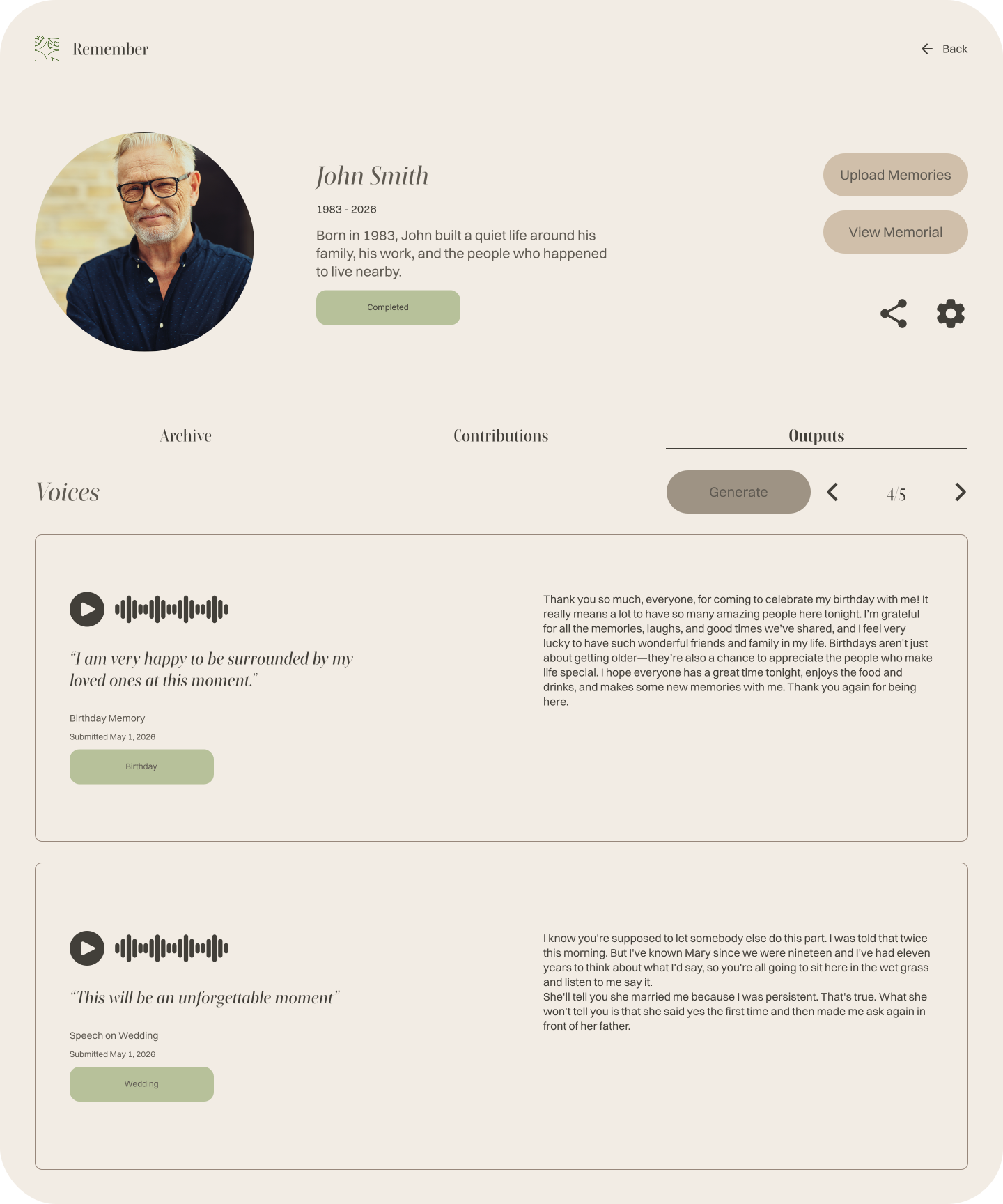
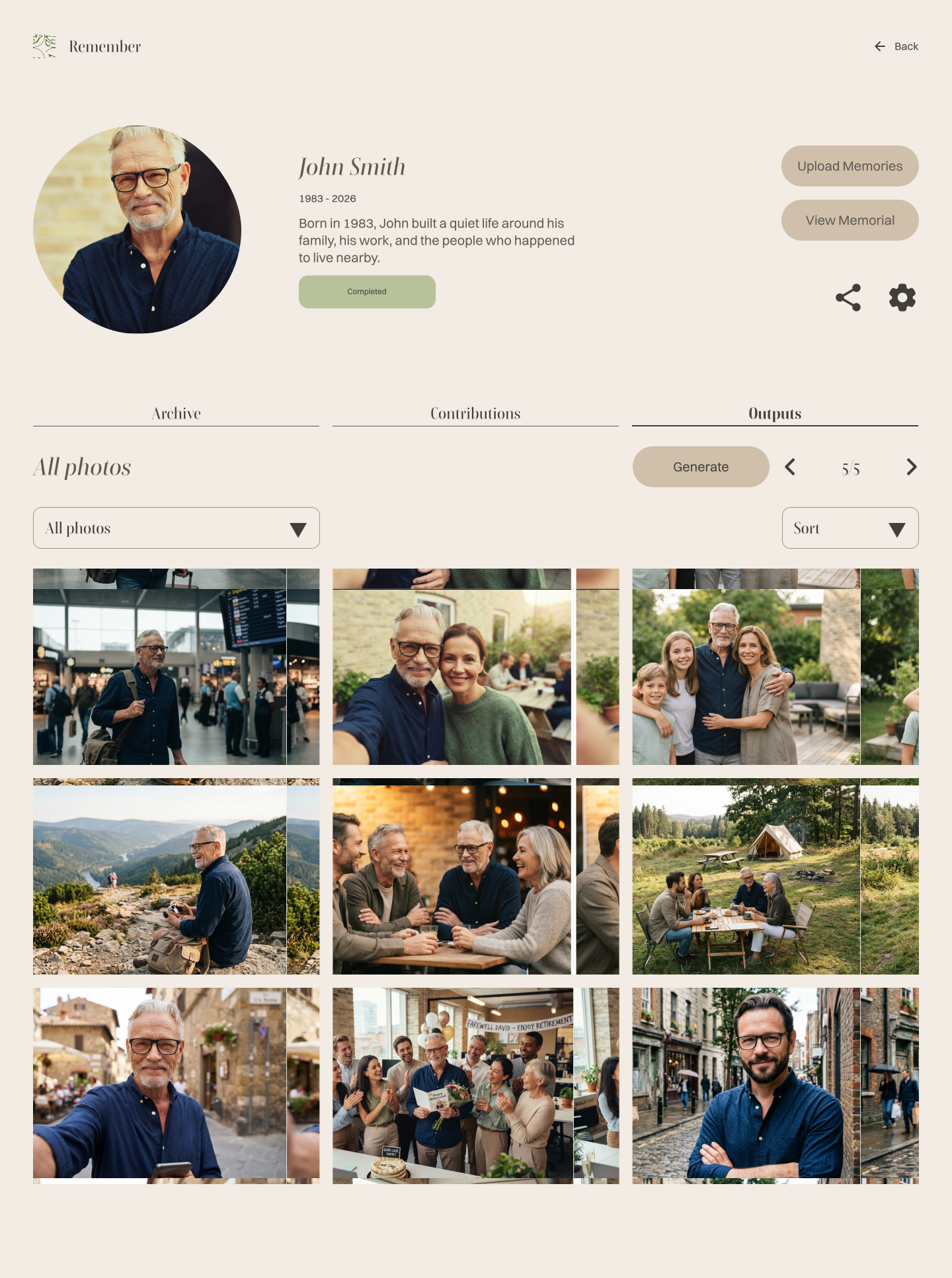
The turning point was giving up the idea that one correct way to organize a person's life exists. After that, four views that interfere by different amounts became the answer, not a compromise.
Remember has never had a real user. Before testing whether the four views work the way the research predicted, the project needs a way to actually reach the grieving families it was designed for.
A memorial matters most years later, once someone's memory of a voice or a face has started to soften. It has to keep accepting new contributions and stay worth opening long after it was built.